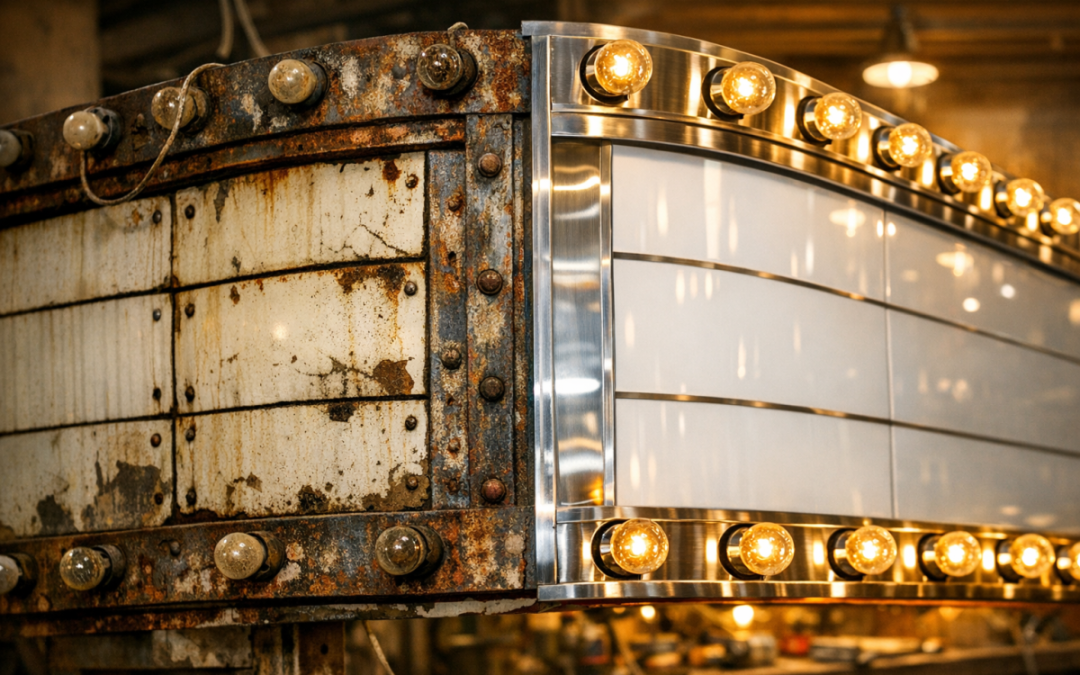
Sadly, decades of neglect, budget constraints, and the slow decline of the single-screen theater left many of these marquees dark, rusted, or stripped entirely from the buildings they once defined. Neon tubes went cold. Letter tracks warped. Whole facades were covered over with flat signage or left to deteriorate. What had been a source of community pride became, in too many cases, an eyesore or an absence.
The push to change that gained momentum in the 1990s, when historic preservation advocates, independent theater owners, and local communities began recognizing these structures as something worth saving. That effort has only grown since, fueled by a wider appreciation for mid-century architecture and a desire to restore the cultural anchors that gave so many downtowns their character. Restoring a marquee is not an easy job. But those who have taken it on have learned that the rewards - visual, historical, and economic - are well worth the difficulty.
Whether you are a theater owner weighing a full restoration, a preservationist working within tight constraints, or simply a person who wants to know what goes into bringing one of these signs back to life, this guide walks through everything that matters - from structural assessment and electrical upgrades to lighting options and long-term maintenance - to make a marquee retrofit successful.
Key Takeaways
- Decades of neglect left many historic movie marquees dark, rusted, or removed, erasing important community cultural landmarks.
- Thorough structural and electrical assessment before starting restoration prevents costly mid-project surprises and unnecessary delays.
- Bulb choice involves a real trade-off: incandescent bulbs offer authentic warmth, while LEDs significantly reduce ongoing energy costs.
- Even like-for-like part replacements often require permits, and historic landmark status can add preservation board approval requirements.
- Letter height, font style, and track compatibility all affect readability and visual authenticity of a restored marquee.
Assessing the Condition of Your Marquee Before Anything Else
Start by looking at the structure itself. Check the canopy frame for rust on steel parts and rot on any wood elements. Even small patches of rust can point to deeper corrosion underneath the surface coating, so don’t take a clean-looking exterior at face value.
The electrical system deserves its own careful look. Wiring in older marquees can be brittle, improperly grounded, or simply no longer up to code. Neon or incandescent systems that have sat unused for years are especially likely to need full rewiring instead of just a few replaced parts.
Panel condition is another area that people underestimate. Acrylic or glass panels can fade, crack, or go missing over time. Letter track systems usually have bent channels or broken clips that make it impossible to mount letters correctly.
Consider how long a sign may have been sitting untouched. Decades without regular maintenance allow damage to build in layers - rust works into joints, water finds its way into seams, and electrical connections corrode to the point where nothing is salvageable.
A thorough assessment documents everything with photographs and written notes. Walk around the sign at different times of day to catch how light shows surface damage, and get a close look at mounting points and anchor hardware too.
If you skip this step and jump straight into ordering materials, then you’ll almost certainly run into unexpected damage mid-project. That causes delays and added expense that a little upfront planning and design work would have made easy to plan for.
Structural Materials and Canopy Repair Options
Once you know what you’re working with, the next step is to choose what to repair and what to replace. The framing and panel materials you choose will affect the cost, the weight load, and how long the finished marquee holds up.
Steel framing is heavier and rigid, which makes it a fit for large marquees with long canopy spans. Aluminum is lighter and easier to work with on smaller installations, and it resists rust without needing extra treatment. Many restorers find original steel frames in decent shape underneath decades of paint, so stripping and recoating can be the better path instead of full replacement.
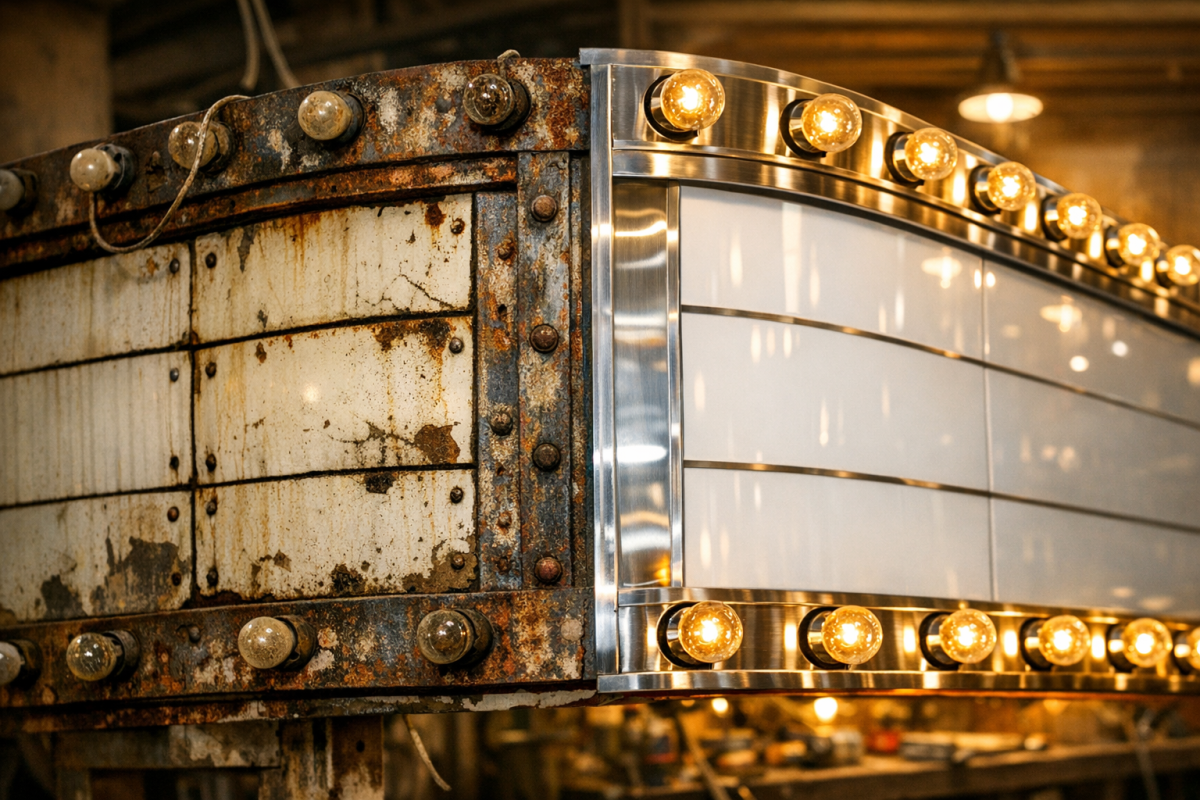
Panel material is where the look comes from. Porcelain panels were standard on vintage marquees and they hold up beautifully against weather and UV exposure. Acrylic is the more common replacement choice because it’s lighter and easier to cut to size, though it can yellow over time without UV-resistant coating. If historic accuracy matters to you, porcelain is worth the extra effort to source.
Behind the facade, restorers frequently find deteriorated wiring, water damage to the framing, and missing structural supports. Large-scale projects show just how much is hidden back there. The Virginia Repertory Theater restoration involved roughly 500 feet of bulb runs under the canopy alone, which gives you a sense of the infrastructure involved in a full rebuild.
| Material | Best Use | Key Consideration |
|---|---|---|
| Steel framing | Large or heavy canopies | Heavier load; may need recoating |
| Aluminum framing | Smaller or lighter builds | Rust-resistant; easier to handle |
| Porcelain panels | Historic restorations | Durable; harder to source |
| Acrylic panels | Modern replacements | Lightweight; yellows without UV coating |
The choice to preserve versus replace can depend on structural integrity and visual intent. Original materials carry character that new panels can’t replicate, so it’s worth holding onto what’s salvageable.
Choosing the Right Bulbs for a Marquee Retrofit
Bulb selection shapes how a restored marquee looks and how much it costs to run every month. The three bulb types you’ll see in most restoration projects are the G11, the S14 and the A15 - and each one fits a different situation.
The G11 is a small globe bulb that works in canopies where the sockets are packed in close together. The S14 has a slightly elongated shape and it’s the favorite choice for the border-style string arrangements you see on classic movie houses. The A15 is the biggest draw of the three at 25-30 watts and gives you a brighter, bolder output for bigger marquees that need to be readable from a distance.
| Bulb Type | Wattage | Best For |
|---|---|---|
| G11 | 10-11 watts | Tight canopy spacing, vintage look |
| S14 | 10-11 watts | Classic string-style marquee borders |
| A15 | 25-30 watts | High-visibility, larger marquees |
LED versions of all three shapes are available now and they draw a fraction of the wattage. If a marquee has hundreds of sockets running continuously, the energy savings add up fast enough to matter.
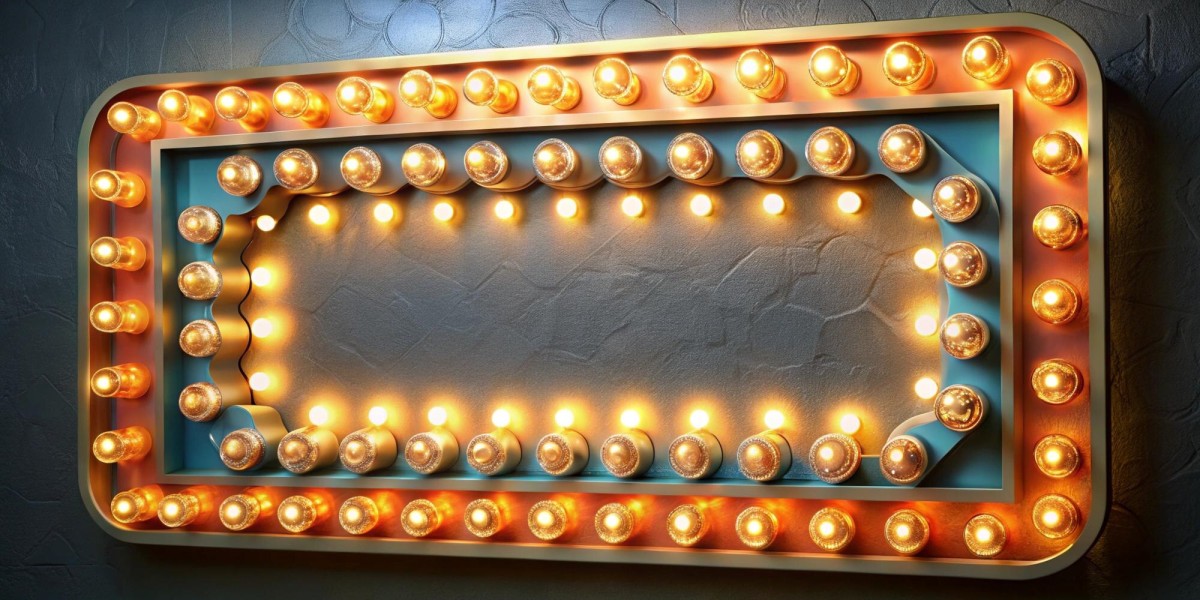
The trade-off is authenticity. Incandescent bulbs produce a warm, slightly amber glow that reads as old-school. LED bulbs in equivalent shapes can look a little flat or cool-toned depending on the color temperature you choose.
For a historically sensitive restoration, incandescent is usually the right call. For a working theater watching its utility bills, LED makes sense - this tension between authenticity and efficiency is one of the more honest conversations you’ll have during a marquee project.
Letter Panels, Changeable Copy, and Marquee Typography
Once the lighting is finished, the letter system is the next big thing to get right - it’s also the part of marquee restoration that gets pushed to the end of the project and then rushed.
Original marquee letter systems used horizontal tracks mounted to a flat panel and individual letters slid in from the side. Many of these tracks are still functional after decades of use. But the plastic or aluminum letters themselves are usually long gone or too brittle to reuse. Replacement track systems are still manufactured and can be fitted to match most original panel dimensions.
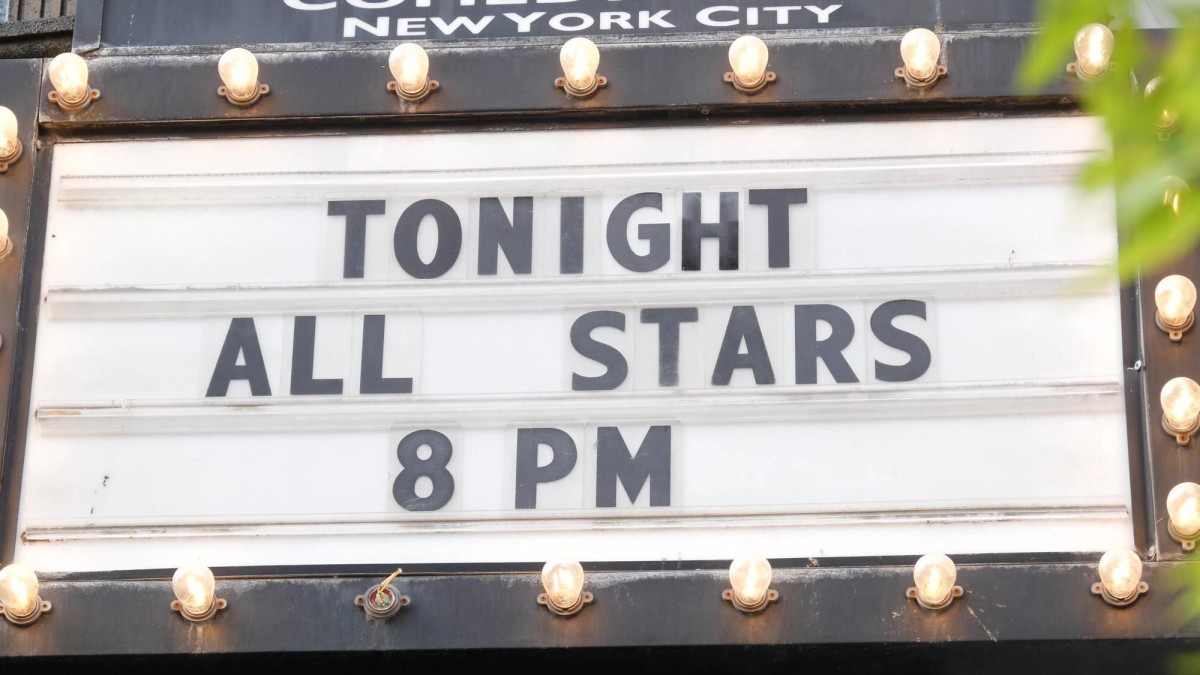
Letter height is worth thinking through. A standard choice for outdoor marquees is 8-inch or 10-inch letters. But bigger panels may have used 12-inch or 15-inch letters to stay readable from a distance. Measure the original track spacing before ordering anything, because mixing letter sizes from different manufacturers gives you fit problems even when the heights match on paper.
| Letter Height | Typical Viewing Distance | Common Use Case |
|---|---|---|
| 6 inch | Up to 50 feet | Secondary panels or lobby boards |
| 8-10 inch | 50-100 feet | Standard street-facing marquees |
| 12-15 inch | 100-200 feet | Large theater facades on wide streets |
Font style matters more than expected. Most classic marquees used a condensed sans-serif font to fit more characters per line, and straying too far from that can make a restored sign look mismatched against its original architecture. Bespoke sign fabrication can help match letterforms and panel details to a building’s historic character.
Also think about who is actually going to be swapping those letters week to week. If the panel sits 15 feet off the ground, then you’ll want a pole tool and a suitable platform already planned into the workflow. Sign permit services are often part of the equation too, especially for exterior signs on historic buildings. California alone had nearly 2,000 movie signs as of 2020, and the number of installations shows how much these details can vary from one building to the next.
Permits, Historic Designation, and Local Preservation Rules
Before any restoration work begins, it pays to know what the law actually expects of you. Electrical upgrades and structural modifications to a marquee sign usually need permits, and in cities, the approval process means more than one department.
Historic designation can add another layer to this. If your theater sits in a historic district or carries its own landmark status, a preservation board may need to approve changes before any permit is even filed. These boards prioritize visual authenticity, so swapping original materials for modern substitutes can be a harder sell.
One of the most common mistakes owners make is assuming a like-for-like replacement skips the permit process - it usually does not. Even replacing a neon transformer with an identical unit, or reattaching a section of the original housing, can fall under local electrical or sign codes that need documented approval.
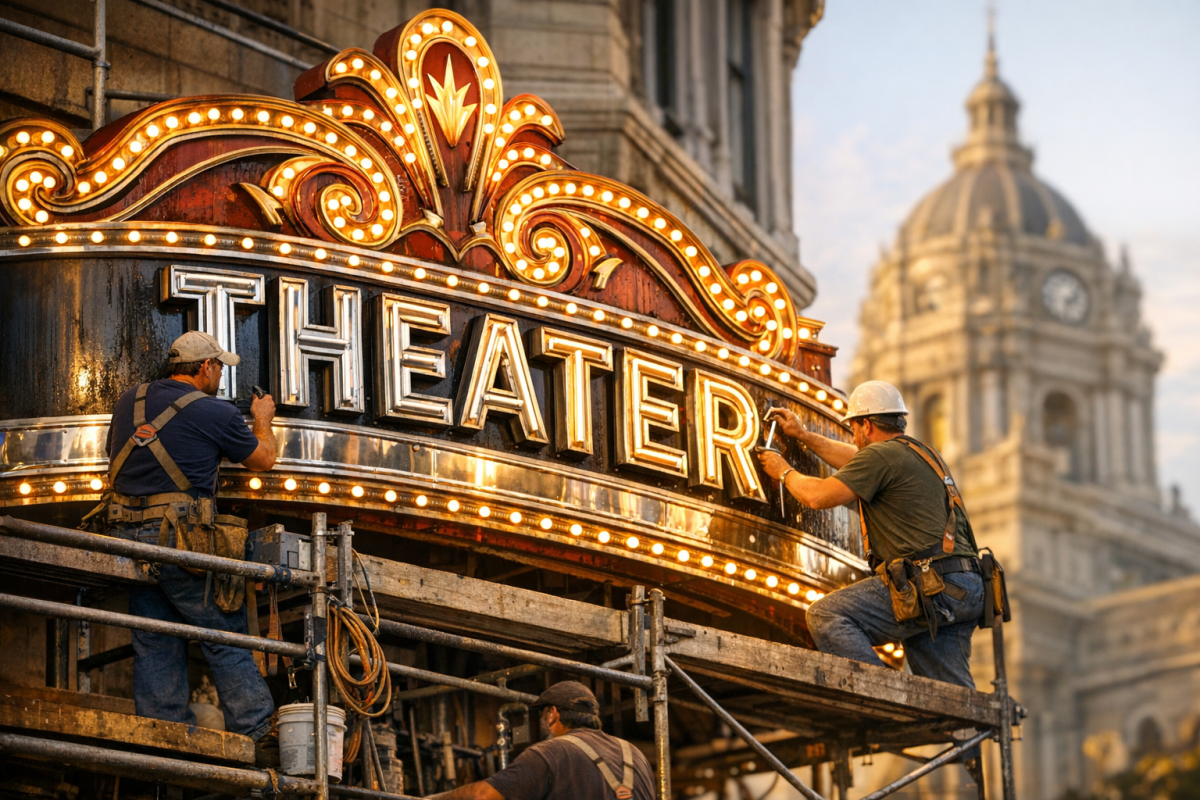
Restoration firms with decades of experience have a benefit here. Wagner Electric Sign Co., just to give you an example, has been in business for over 65 years, and a big part of that lifespan comes from learning how to work through these regulatory layers without losing time or momentum on a project. That institutional knowledge is hard to replicate.
| Work Type | Permit Likely Needed? | Historic Review Possible? |
|---|---|---|
| Electrical rewiring or new components | Yes | Yes, if landmark status applies |
| Structural repairs or frame work | Yes | Yes |
| Like-for-like part replacement | Sometimes | Depends on local rules |
| Cosmetic repainting only | Rarely | Sometimes |
Contact your local building and zoning office early in the planning stage to avoid frustration. Some cities also have preservation officers who can explain what your theater’s designation means in helpful terms.
Keeping the Lights On for the Long Haul
A beautifully restored marquee is only as good as the maintenance behind it. These signs aren’t just pieces of hardware - they’re landmarks. They anchor neighborhoods, spark nostalgia, and tell a community that something worth showing up for is happening inside. Taking care of one is taking care of something that legitimately matters to the people who pass by it every day. If you’re exploring other ways to make an impression, monument signs and interior signs can complement a restored marquee beautifully.
Contact us for a free estimate - call 866-598-7271 or email us at info@americansignsinc.com. Let’s bring your sign back to life.