
In Los Angeles, putting up a business sign is not as simple as ordering a design and bolting it to the wall. The city is going to need permits for most types of exterior signage, and the process involves more steps than expected. Skipping that process is a gamble that doesn’t pay off. The City of Los Angeles actively enforces its sign regulations, and violations can get you fines, stop-work orders, or being forced to remove the sign entirely - at your own expense.
The laws are not one-size-fits-all, either. What applies to a blade sign hanging over a boutique in Silver Lake may be very different from the laws governing an illuminated sign on a commercial corridor in Downtown LA. Zoning districts, sign dimensions, lighting, and placement all play a role in determining what is allowed and what permit you need.
The good news is that once you understand how the process works, it can become more manageable - this guide will talk about the permit requirements for business signs in Los Angeles - what types of signs need permits, how to apply, and what to watch for along the way.
Key Takeaways
- Most exterior business signs in LA require permits; only small, non-illuminated signs under 20 square feet are exempt.
- Sign rules vary by type and zoning district, affecting height limits, placement, and required clearances for each sign.
- Permit applications go through LADBS and typically take one to four weeks when submitted with complete documentation.
- Off-site sign owners must pay a $169.87 inspection fee every two years; late payments incur 5% monthly penalties.
- Unpermitted signs can result in fines up to $1,000, forced removal at owner expense, and potential misdemeanor charges.
Which Signs in LA Actually Need a Permit
The starting point is easy: most business signs in Los Angeles need a permit to put them up. That applies to wall signs, freestanding signs, projecting signs, and illuminated signs of just about any kind. If your sign is visible from a public street and attached to a building or structure, you can usually assume a permit is part of the process.
That said, there’s a category of signs that fall outside the permit requirement. These are small, simple, non-electrical signs that meet a set of conditions set by the LA Department of Building and Safety.
To be exempt, a sign has to meet all of the following at the same time: it has to be no bigger than 20 square feet in total area, it has to sit no higher than 6 feet 6 inches from the ground, it can’t have any electrical illumination, and it can’t have any moving parts.
Miss even one of the conditions and the sign is no longer exempt. A small handmade sign that you backlight with an LED strip falls back into permit territory - even if everything else checks out.
The exempt category was built for very basic signage - small estate-style signs or simple flat panels at low heights. Most retail storefronts, restaurants, and service businesses will have signs that exceed those limits in one way or another.
Window signs get their own set of rules too, and those are a little more nuanced. They don’t always follow the same size and height logic as exterior-mounted signs.
Sign Types and the Rules That Come With Each
Not all signs play by the same laws in LA. The type of sign you want to put up determines the height limits, placement restrictions, and what the permit process will look like.
Wall signs are attached directly to a building’s exterior and are one of the most common options for businesses. In most commercial zones, the top of a wall sign can’t exceed 25 to 40 feet above ground level. The exact limit can depend on the zoning of your property, so it’s worth checking your zone before you get too far into planning.
Monument signs sit at ground level and are freestanding structures you usually see near driveways or building entrances. These are held to a tighter height limit, usually between 6 and 10 feet tall. They also need to meet setback laws, which means they can’t be placed too close to the street or property line.
Off-site signs, which include billboards and any sign advertising a business not located on that property, are treated more strictly. LA has very limited areas where new off-site signs are even permitted, and in some zones they are not allowed at all.
| Sign Type | Typical Height Limit | Permit Notes |
|---|---|---|
| Wall Sign | 25-40 feet | Permit needed; limit varies by zone |
| Monument Sign | 6-10 feet | Permit needed; setback rules apply |
| Projecting Sign | Varies | Permit needed; clearance minimums apply |
| Off-Site Sign / Billboard | Varies | Heavily restricted; limited zones only |
| Temporary Sign | Varies | May be exempt; time limits apply |
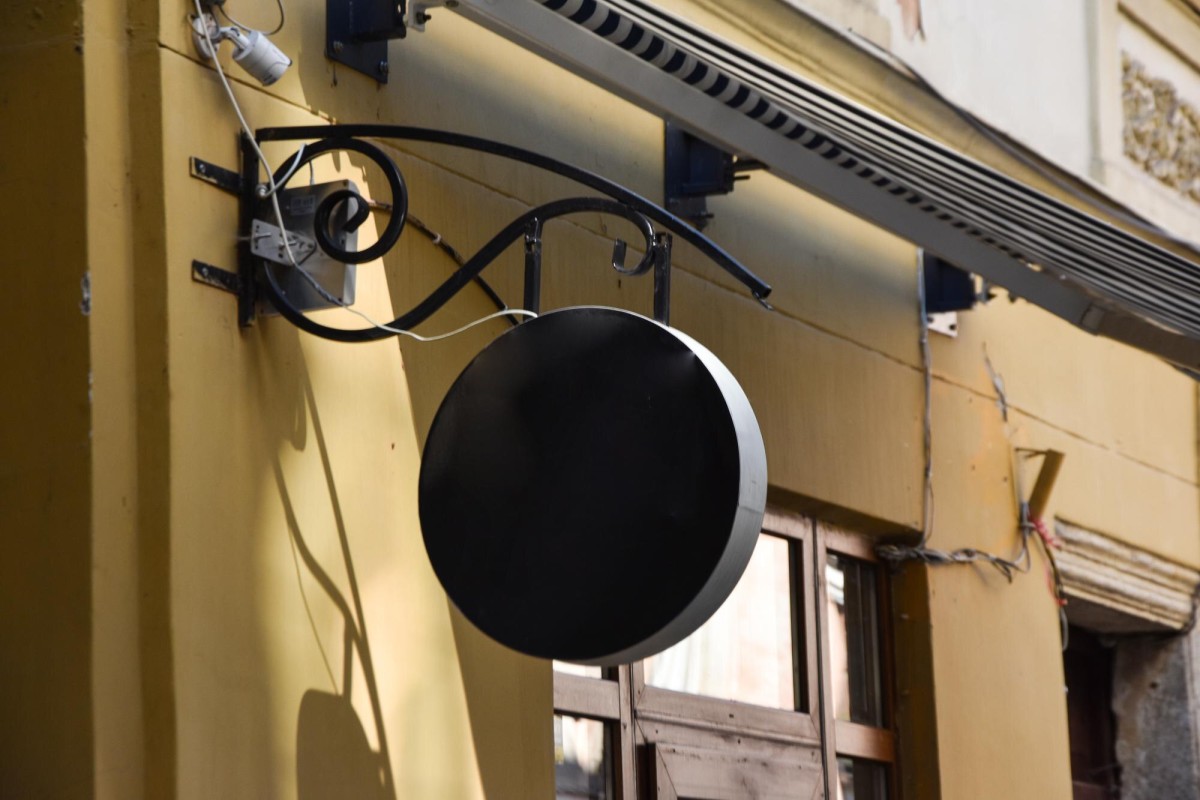
Projecting signs, which stick out from a building’s face, have their own clearance rules to keep pedestrian walkways safe. Clearance is measured from the bottom of the sign to the ground below it.
Your sign type is the first thing to nail down before you get into the application process.
How to Actually Apply for a Sign Permit in LA
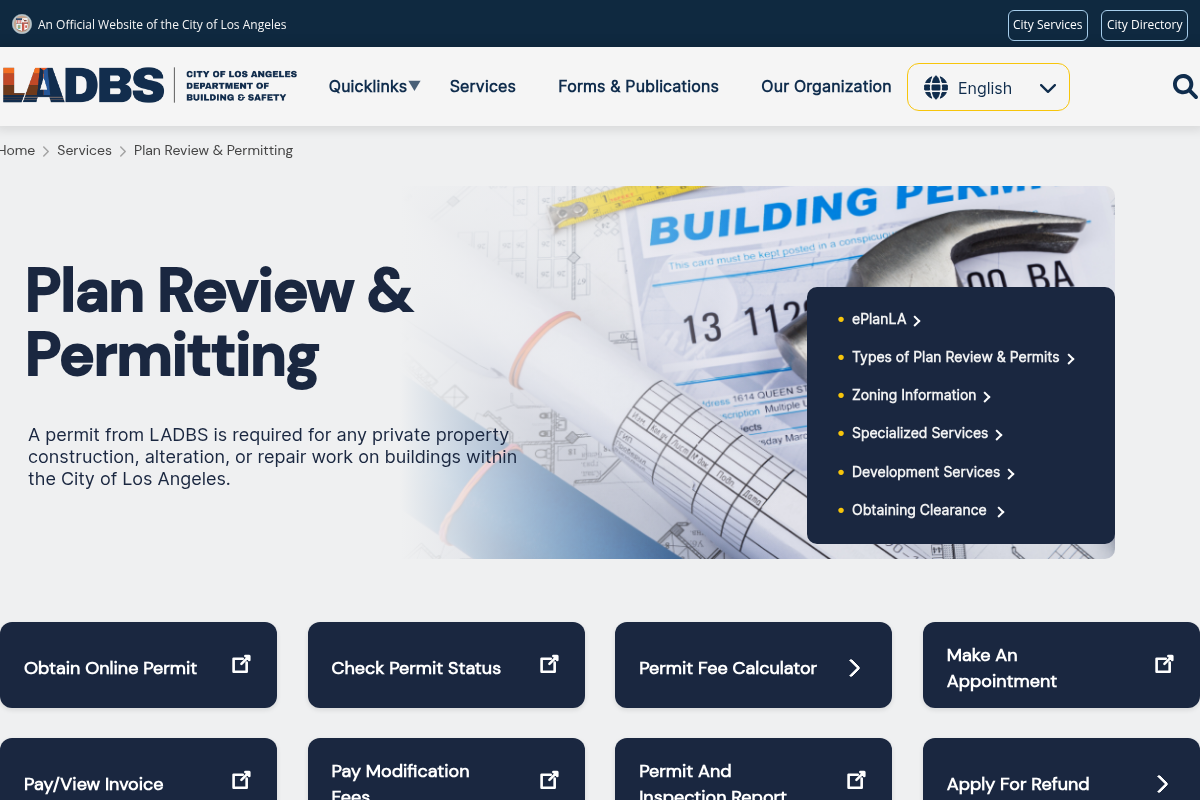
The LA Department of Building and Safety (LADBS) handles sign permits and you can submit applications either online through their ePlan system or in person at a public counter. Online is faster and lets you track your application without needing to make phone calls.
Before you start, get your documents together. You are going to need a site plan showing where the sign sits on the property, the sign’s exact dimensions and height, details about how it will be mounted or supported, and the property address with zoning information. If you are in a special district or a historic zone, you might also need supplemental approval from another city department before LADBS will move forward.
Here is the basic process from start to finish.
- Create an account on the LADBS ePlan portal or go to a public counter location.
- Submit your application with all required documents attached.
- Wait for a plan check, where a city reviewer looks at your submission.
- Respond to any corrections or requests for more information.
- Pay your permit fee once the application is approved.
- Receive your permit and schedule any inspections the city requires.
Processing takes anywhere from one to four weeks once your submission is complete. That timeline assumes your documents are accurate and nothing needs to go back for revisions. Incomplete applications can stretch that window out considerably.
Rushing causes problems here. If you submit something half-finished to try to hit a deadline, then you’ll probably be waiting longer than if you had taken an extra week to get it right. A rejection or correction request resets the clock.
Double-check your site plan measurements before you submit. Small errors in dimensions or placement are the most common reason applications come back for corrections.
Fees, Deadlines, and What Happens If You Pay Late
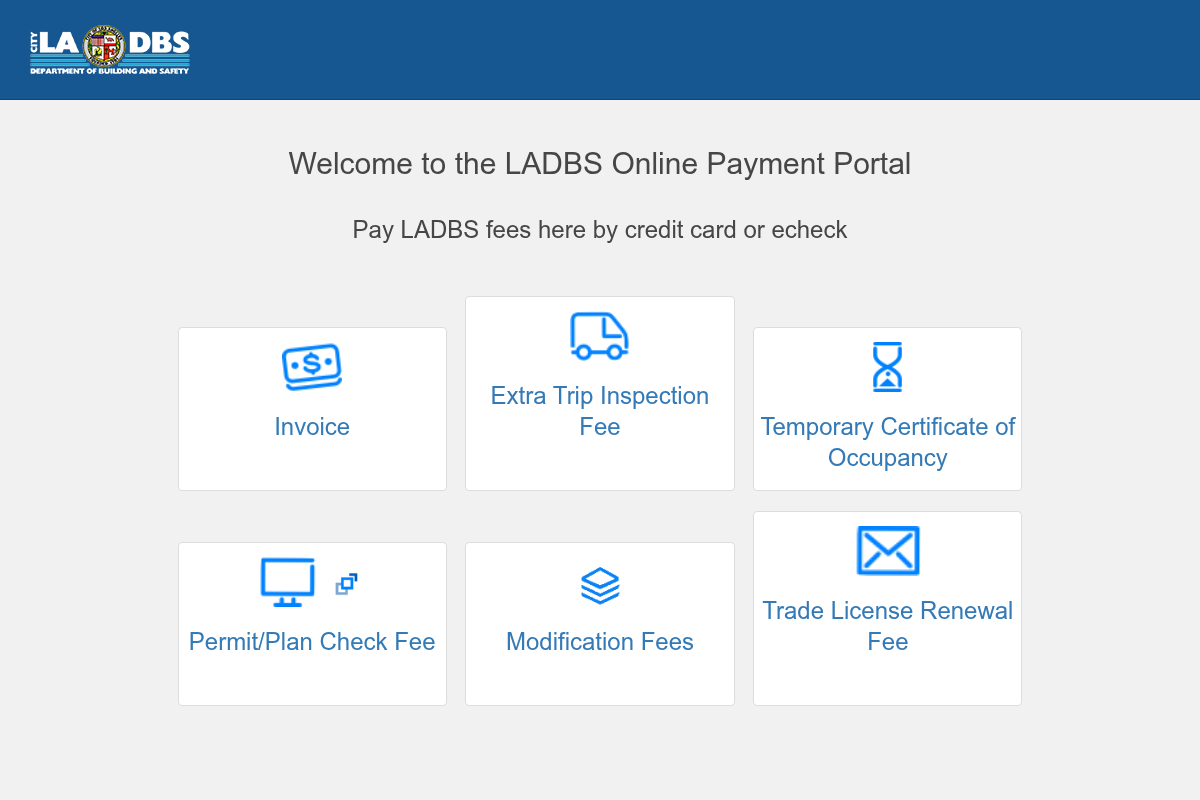
If you have an off-site sign (a billboard or sign that advertises something other than a business at that location), then you’ll need to pay a periodic inspection fee to the LA Department of Building and Safety. That fee is $169.87 and it comes due on February 1 every two years - it’s not a large amount. But missing the date does cost you more.
Late payments have a penalty of 5% of the outstanding fee per month, with a minimum charge of $10. So even if your fee is small, you’re still looking at at least $10 on top of it if you miss the deadline. That penalty continues to grow each month the fee stays unpaid.
| Fee Type | Amount | Due Date | Late Penalty |
|---|---|---|---|
| Periodic Inspection Fee (Off-Site Signs) | $169.87 | February 1 (every 2 years) | 5% per month, minimum $10 |
The math here is easy. A fee ignored for six months could cost you more than if you’d paid it on time. A calendar reminder set well before February 1 takes about ten seconds and saves you from a very preventable expense.
These fees are also tied to your sign’s legal standing. Falling behind on payments can complicate things if your sign’s status is ever reviewed or questioned. Keeping your account current with the Department of Building and Safety means one less thing to worry about later - and staying on top of sign maintenance is just as important for avoiding bigger problems down the road.
The next section covers when businesses skip the permit process altogether - and the financial consequences there are on a very different scale.
Fines and Penalties for Skipping the Sign Permit Process
Under Chapter 62 of the Los Angeles City Building Code, putting up a sign without the right permits is classified as a misdemeanor. That means fines of as high as $1,000, as high as six months in jail, or both - and those consequences apply per violation.
Enforcement does happen in LA. The city’s Department of Building and Safety conducts inspections, and complaints from neighbors or competitors can trigger a visit too. Violations don’t quietly disappear on their own.
Actions That Can Lead to Penalties
A sign installed before a permit is approved is one of the most direct ways to land in trouble. A sign that doesn’t match the approved plans is another - even if a permit was pulled at some point. Ignoring a stop-work order, or continuing to display a sign after the city has flagged it for removal, will escalate the situation fast.
The city can also order you to take the sign down at your own expense. If you’ve already paid for fabrication and installation, that’s a financial loss on top of whatever fines have accrued.

Why This Connects to Everything Else in the Process
A correct permit application from the start is the most effective way to protect what you’ve invested in your signage. A sign that goes up legally stays up, and you won’t have to worry about inspectors, neighbors, or code enforcement changing that.
It’s also worth remembering that permit records are public. If you’re ever in a lease dispute or selling your business, unpermitted signs can come up as a liability. Doing the work right the first time means there’s nothing to untangle later.
The permit process in LA can seem slow. But the alternative - fines, forced removal, and possible legal exposure - is far more disruptive to a business than a few weeks of paperwork.
Your Sign, Your Rules - Just Get the Permit First
As you move forward, keep these common dangers in mind:
- Zoning verification skipped before ordering or designing your sign
- Underestimated permit processing timelines
- Overlooked structural and electrical inspection requirements
- Sign size and placement restrictions specific to your district left unaccounted for
Getting your permit right the first time means your sign goes up, stays up, and works hard for your business without the headache of fines or forced removal; it’s a win worth the effort.
If you’re ready to take the next step and want expert input on designing a sign that meets LA’s requirements, we’re here to help. Contact us for a free estimate - call 866-598-7271 or email us at info@americansignsinc.com. Let’s get your sign up.